

Professional Research
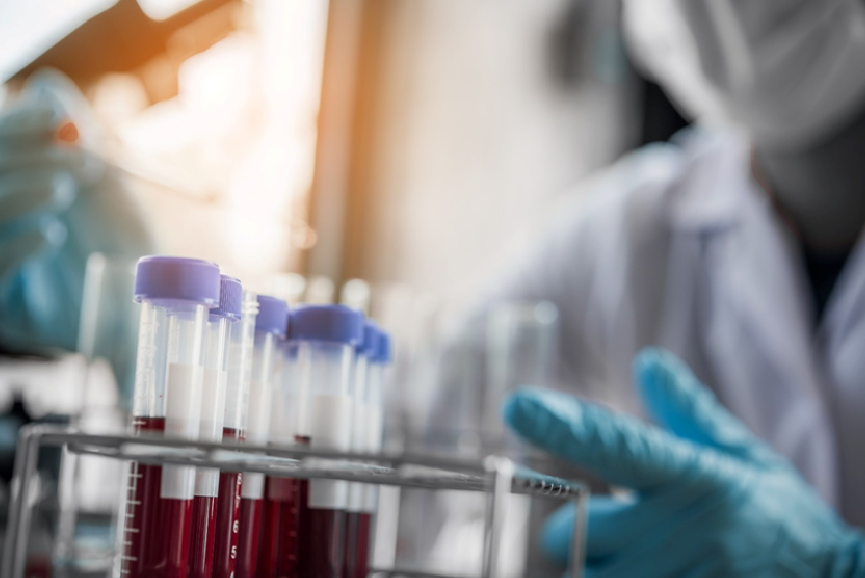
The Hong Kong Aids Prevention Society (HKAPS) has successfully transformed into a professional research institution in the field of HIV/AIDS prevention and care in Hong Kong. Our core research team is led by scholars holding doctoral degrees with extensive experience in public health research, dedicated to conducting high-quality, evidence-based scientific studies. To date, our researchers have published a substantial number of research papers.
Our research direction is closely aligned with the characteristics of Hong Kong’s epidemic and its social context, covering multiple critical and in-depth areas. It aims to fill knowledge gaps and provide a scientific basis for prevention and control strategies. This includes exploring the challenges of ageing and long-term care for people living with HIV, analysing structural barriers such as healthcare system issues and cross-border risks, focusing on the unique vulnerabilities of under-researched groups like bisexual men and postmenopausal women, and dedicating efforts to developing technological innovations for prevention tools. Simultaneously, our research delves into the impact of laws and policies, risks among specific occupational groups, the role of family and social support systems, and conducts precise health economics and policy implementation evaluations.
The following are some example research findingd from our team recently submitted to peer-reviewed journals, covering the various research directions mentioned above:
Selected Research Output
We firmly believe that rigorous and comprehensive scientific research is the cornerstone for developing effective prevention and treatment strategies, challenging social stigma, and achieving health equity. The research team of the Hong Kong Aids Prevention Society will continue to dedicate itself to generating impactful local evidence, contributing professional expertise to advance towards the goal of “zero new infections, zero discrimination” in Hong Kong and the wider Asia-Pacific region.
Academic institutions, healthcare departments, and community organisations are welcome to inquire about research collaboration.